The Formal Education of Our Founding Fathers
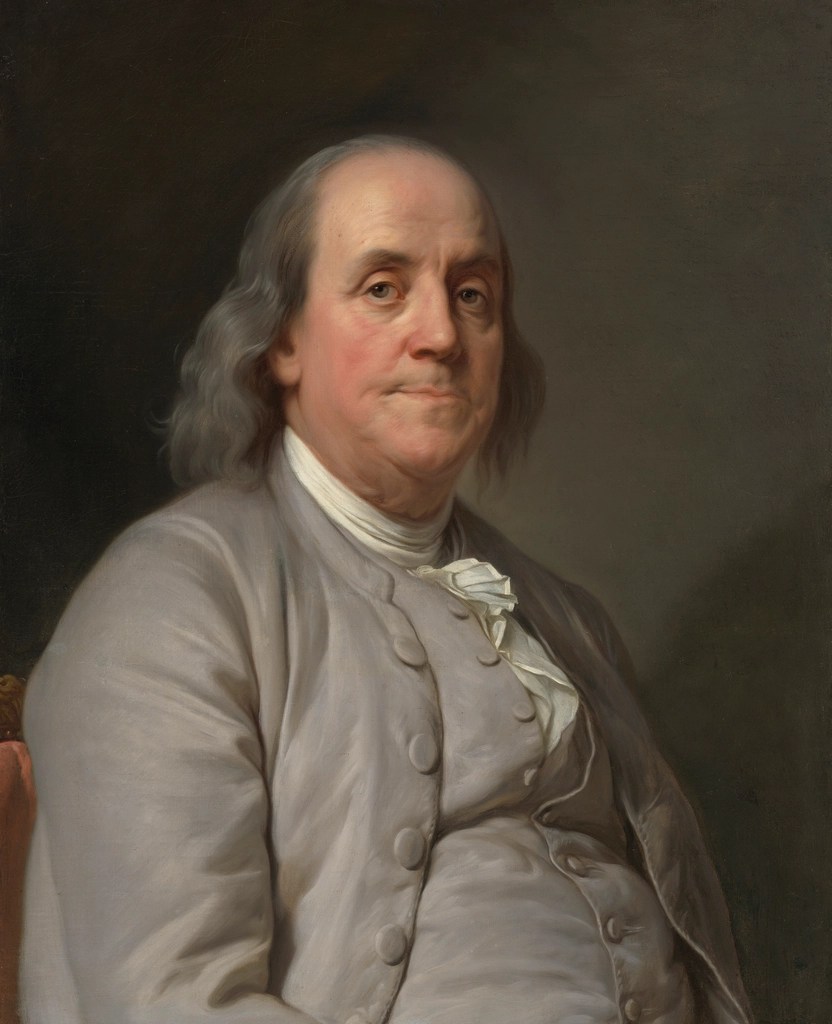
Benjamin Franklin was born the 10th son of the 17 children of a man who made soap and candles, one of the lowliest of the artisan crafts. He learned to read very early and had one year in grammar school and another under a private teacher, but his formal education ended at age 10.
May 16, 2024, https://www.britannica.com/biography/Benjamin-Franklin
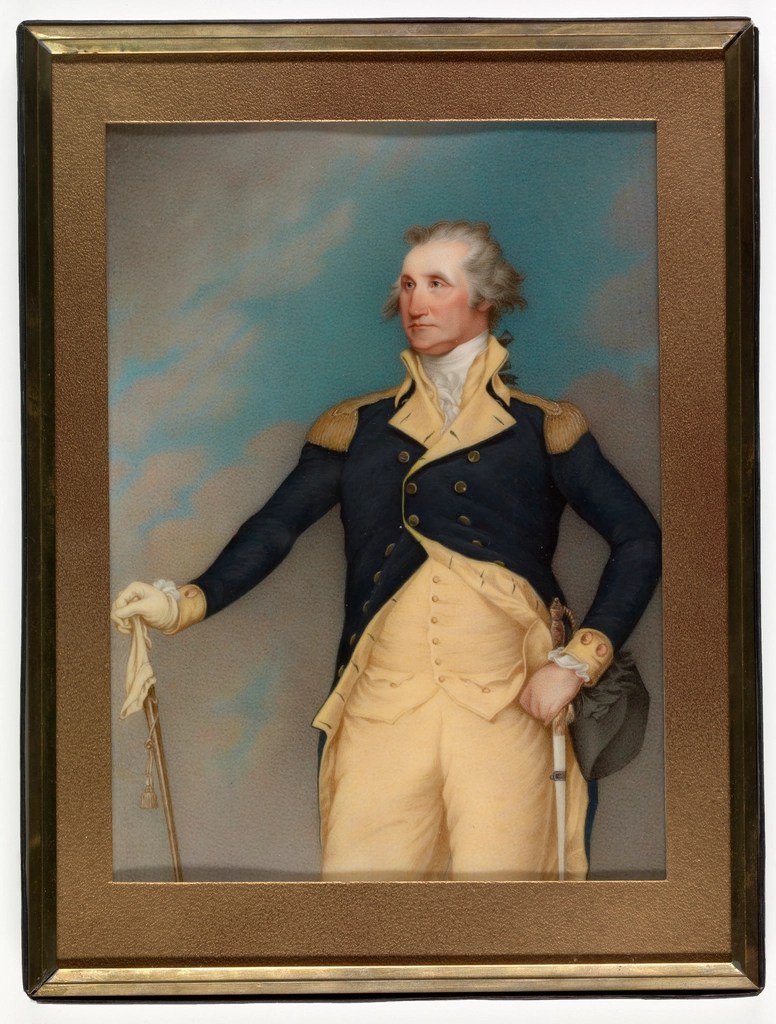
Washington’s Education: Unlike many of his contemporaries, Washington never attended college or received a formal education. His two older half brothers, Lawrence and Augustine, attended Appleby Grammar School in England. However, after the death of their father, the family limited funds for education.
What did Thomas Jefferson study at the College of William and Mary?
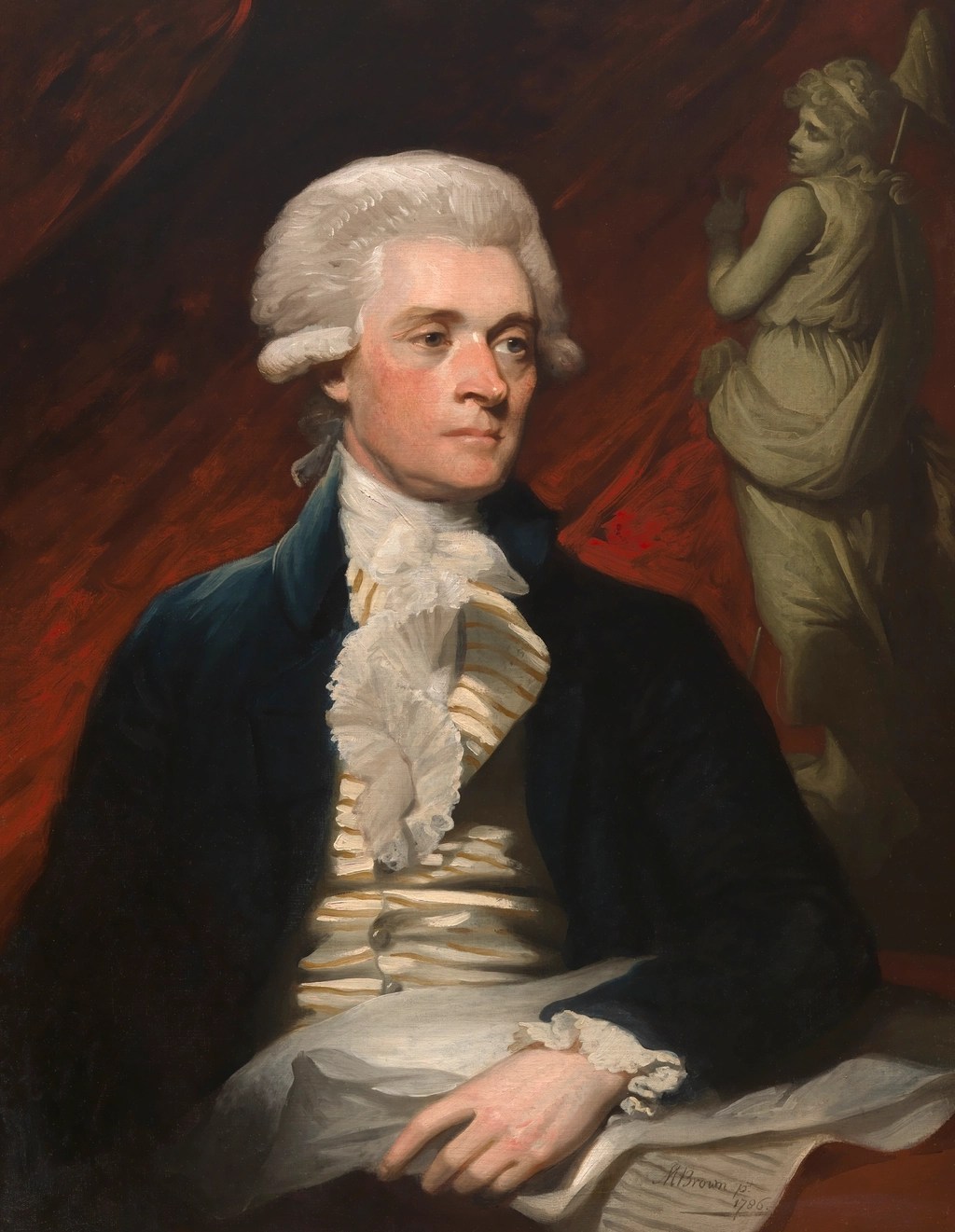
Jefferson was instructed in natural philosophy (physics, metaphysics and mathematics) and moral philosophy (rhetoric, logic and ethics). A keen and diligent student, he displayed an avid curiosity in all fields and, according to family tradition, he frequently studied 15 hours a day.
Jefferson’s Life at School | About W&M – William & Mary
At William & Mary, Jefferson was taught by William Small. A Scotsman who had been educated at Marischal College, Aberdeen, Small had been appointed professor of natural philosophy in 1758. Soon after Jefferson’s arrival, Small also assumed the duties of teaching moral philosophy when that chair was left vacant by the departure of Jacob Rowe. Small introduced Jefferson to the writings of Locke, Bacon, and Newton, and awakened an interest in science in the enthusiastic young student.
It was a turbulent time in the history of W&M, a period characterized by political turmoil, declining discipline and tension between the faculty and the Board of Visitors. Nevertheless, Jefferson thrived under the tutelage of Small. He later wrote: “It was my great fortune, and what probably fixed the destinies of my life that Dr. William Small of Scotland was then professor of mathematics, a man profound in most of the useful branches of science, with a happy talent of communication, correct and gentlemanly manners and an enlarged and liberal mind.”
Jefferson’s course of study at W&M lasted for two years, and he then went on to read law for the next five years under George Wythe, the distinguished jurist who was to become the first professor of law at William & Mary in 1779. Jefferson referred to Wythe as “my earliest and best friend,” adding that “to him I am indebted for first impressions which have had the most salutary influence on the course of my life.” Through Wythe and Small, Jefferson met Governor Francis Fauquier, and he frequently joined the three older men as they dined together at the Governor’s Palace. Jefferson—who said that music was “the favorite passion of my soul”—was also invited to take part in Palace musicales, playing the violin or cello.
Dumas Malone, Jefferson’s 20th-century biographer, wrote that the story of Jefferson’s student days in Williamsburg “is the story of the…first flowering of an extraordinary mind.” As a student at William & Mary, young Jefferson had an ideal vantage point from which to observe and be taught by the leaders of the colony as he prepared to take his place among them.
WILLIAMSBURG, VIRGINIA
 webby1dotnet